


Finding the Best Writing Desk for Home Office: Essential Features
A carefully chosen writing desk transforms any home office. It becomes more than just a surface. It deeply influences productivity, comfort, and the workspace's overall feel. Discerning homeowners and interior designers seek the best writing desk for home office. This desk must blend superior function with lasting beauty. These pieces are significant investments.
The right best writing desk for home office supports your work habits. It also reflects your personal style. Understanding key features helps you make an informed decision. Look for designs that prioritize both well-being and practical needs. High-quality materials and thoughtful construction are essential. They ensure your desk remains a cherished part of your home for years.
Prioritizing Ergonomics: Comfort and Health at Your Desk
When searching for the best writing desk for home office, ergonomics is key. Prolonged periods at a desk demand careful ergonomic consideration. A desk's design should support your body. It should not strain it. Achieving good posture is crucial for preventing discomfort.
This becomes even more important in a dedicated home office. Many professionals spend several hours daily at their workstations. Ergonomics ensures long-term well-being while you work. It is a foundational aspect of desk selection.
The ideal desk height is fundamental for comfort. For seated work, standard heights range from 73 to 76 centimeters. Your forearms should rest parallel to the floor. Your elbows should form a 90-degree angle. This alignment helps prevent shoulder and wrist strain.
A desk that is too high or too low forces unnatural positions. Adjustable-height desks offer maximum flexibility. This feature is often found in the best writing desk for home office. They allow you to switch easily between sitting and standing. This variation significantly reduces static load on your spine.
Desk depth also plays a vital role. Adequate depth allows proper monitor placement. Your eyes should be about an arm's length from the screen. This distance reduces eye strain. A depth of at least 60-75 centimeters provides ample room. It fits a monitor, keyboard, and documents. Insufficient depth can force you to lean forward, compromising posture.
Finally, consider legroom beneath your desk. Ensure unobstructed space to stretch and reposition your legs freely. Avoid desks with bulky drawers or crossbars. These can restrict movement.
Sufficient legroom prevents cramped feelings. It also encourages micro-movements. These small shifts in position help maintain comfort during long work sessions. Prioritizing these factors creates a workspace for long-term health and focus. This makes it truly the best writing desk for home office.
Thoughtful Design: Surface Area, Storage, and Cable Management
Beyond ergonomics, practical design elements define the best writing desk for home office. A well-designed desk fosters a tidy, productive environment. It anticipates your needs and helps keep clutter at bay. This maintains a clear mind for creative or focused tasks.
First, assess the surface area you require. Consider what you typically have on your desk. This might include monitors, a laptop, a lamp, and notebooks. A desk measuring 120x60 centimeters offers ample space for many setups.
Larger desks, perhaps 150x75 centimeters or L-shaped, suit those with multiple displays. They also work for those needing expansive areas. L-shaped desks are effective for corner spaces. They maximize usable surface area, providing an excellent setup for the best writing desk for home office.
Integrated storage solutions are invaluable for an organized space. Look for desks with well-crafted drawers, cubbies, or shelves. Shallow drawers are perfect for stationery and small supplies. Deeper drawers can hold files or larger equipment.
These integrated options keep essentials within reach but out of sight. This helps maintain a clean, distraction-free desktop. A desk with built-in compartments enhances efficiency. It also reduces the need for separate storage units.
Cable management is a critical, often overlooked, design feature. Modern home offices rely heavily on electronics. Untidy cables create a messy look and pose tripping hazards. Premium desks offer subtle solutions.
These might be discrete grommets in the desktop for routing wires. They could also feature integrated channels or trays beneath the surface. Effective cable management keeps wires organized and out of sight. This contributes to a clean, professional, and safer workspace, a mark of the best writing desk for home office.
The Enduring Appeal of Quality Materials and Craftsmanship
The choice of materials distinguishes the best writing desk for home office. These elements speak to durability, aesthetic value, and the desk's investment appeal. For a discerning homeowner, these aspects are paramount. They represent a lasting commitment to quality.
Solid wood stands as a hallmark of excellence. Hardwoods like oak, walnut, ash, and cherry are highly prized. Each offers unique grain patterns and inherent strength. Oak, for example, is known for its durability and distinctive texture.
Walnut provides a rich, deep color and fine grain. These woods resist daily wear and tear. They can also be refinished over decades, extending their lifespan. Unlike cheaper alternatives, solid wood does not degrade over time. It can even develop a beautiful patina.
Superior craftsmanship is evident in the construction details. This is a hallmark of the best writing desk for home office. Look for techniques that ensure structural integrity. Dovetail joints in drawers, for instance, signal meticulous work. Mortise and tenon joints in the frame show robust construction.
These traditional methods surpass simple screws or staples in strength. Hand-finished surfaces also contribute significantly. They highlight the natural beauty of the wood. A carefully applied finish protects the material. It enhances its aesthetic appeal for years.
Investing in a well-crafted desk from quality materials offers long-term benefits. Such pieces often maintain their value. They can even become treasured family heirlooms. Their robust construction means fewer replacements.
This aligns with a more sustainable approach to furniture. Durability is a key indicator of sustainable furniture, as industry observers often note. Choosing a premium desk means acquiring a functional tool. It also means bringing an object of enduring beauty and quality into your home. Essentially, it is the best writing desk for home office.
How to Choose the Best Writing Desk for Home Office: Function and Form
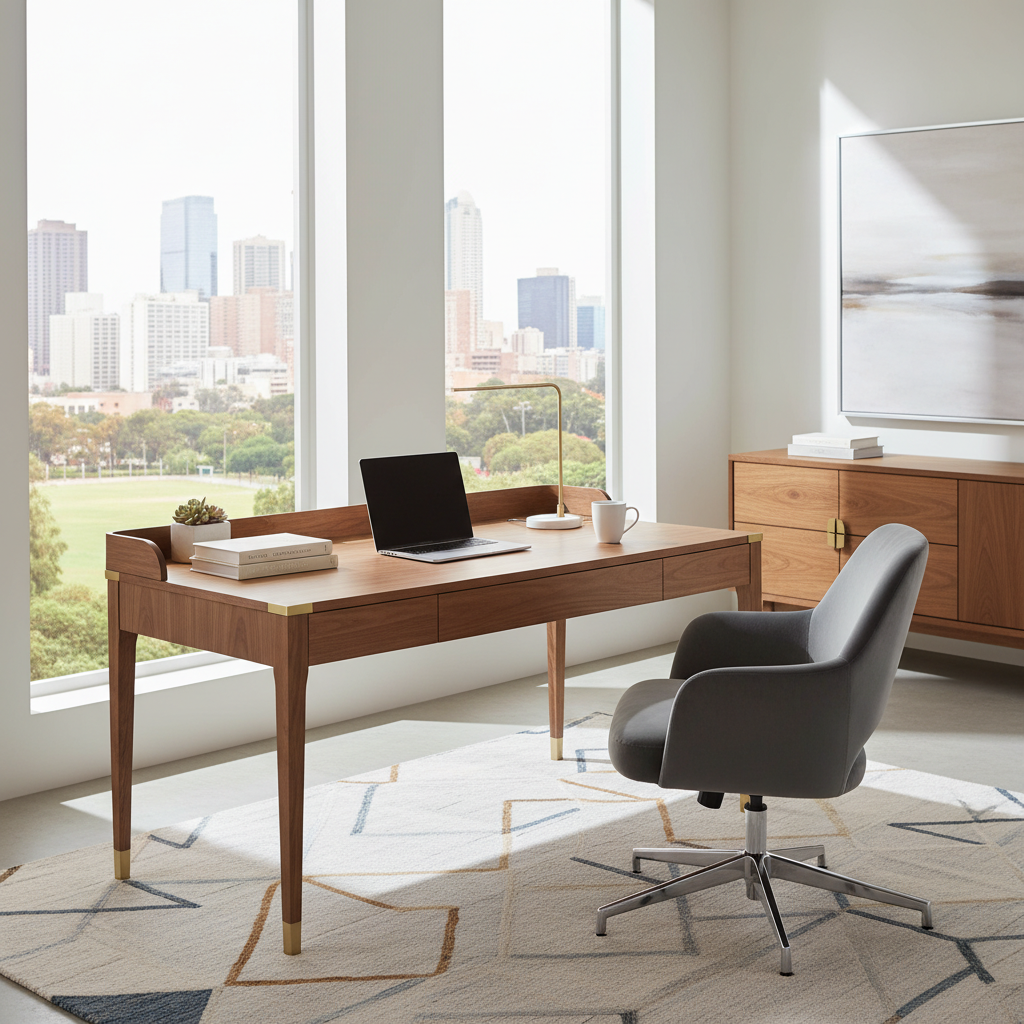
A writing desk is more than a simple workspace. It serves as a focal point within your home office. The right best writing desk for home office marries practical functionality with beautiful aesthetics. It enhances productivity and complements your home's overall design. Choosing wisely means considering both how you work and how you live.
This guide explores essential factors for selecting a desk. We will cover matching your decor and optimizing your space. We will also discuss ensuring its longevity through proper care. A well-chosen desk becomes a lasting piece of furniture. It also supports your creative and professional endeavors every day.
Blending with Your Decor: Aesthetic Considerations and Style Matching
The visual appeal of your best writing desk for home office significantly impacts home office aesthetics. Its style should flow seamlessly with your existing decor. This creates a cohesive and inviting atmosphere. Consider the prevailing aesthetic of your home. Does it lean towards modern minimalism or classic country charm?
For contemporary homes, look for desks with clean lines and simple forms. Materials like glass, polished metal, or light-toned woods such as ash work well. These desks often feature minimal ornamentation. They embody a sleek, uncluttered look.
Scandinavian-inspired designs, for example, favor light wood and understated elegance. This style complements modern spaces beautifully. It creates a bright and airy workspace. Consider these elements for a cohesive look in your search for the best writing desk.
If your home has a more traditional feel, opt for desks crafted from rich, dark woods. Cherry, mahogany, or dark oak are excellent choices. These might feature intricate carvings or turned legs. A desk with a classic pedestal design can anchor a traditional study.
Consider details like brass hardware or leather inlays for added elegance. These small touches enhance the desk's traditional appeal. They create a sense of timeless sophistication. Such a desk becomes a focal point for your home office.
Country or rustic interiors benefit from desks made of reclaimed wood or distressed pine. These pieces often showcase natural imperfections and warm tones. A trestle desk or one with robust, block-style legs fits this aesthetic perfectly. Industrial-style homes might prefer desks combining metal frames with solid wood tops. They offer a raw, utilitarian charm. Even a simple, sturdy oak desk can transition across many decor styles, proving incredibly versatile.
Optimizing for Your Space: Size and Layout Smart Choices
Selecting the correct size for your best writing desk for home office is crucial. It maximizes functionality. It ensures your home office remains functional and comfortable. Begin by carefully measuring your available space. Consider wall lengths, window placements, and door swings. A common recommendation suggests at least 30 inches of clear space around your desk chair. This allows for easy movement.
For smaller apartments or multi-purpose rooms, a compact desk is ideal. Wall-mounted desks fold away when not in use. This saves valuable floor space. Corner desks maximize overlooked areas. They provide a surprising amount of surface area.
A narrow console table can also double as a writing desk in a pinch. Its slim profile works well in hallways or small alcoves. This offers great flexibility. Consider these options for space-saving solutions.
If you have a dedicated study, consider a more expansive L-shaped or U-shaped desk. These provide ample room for multiple monitors, paperwork, and creative projects. An L-shaped configuration offers a clear distinction between tasks. This can improve workflow.
Large rectangular desks can become a central feature. They create a strong focal point in a spacious room. This maximizes your available workspace. Choose a size that truly fits your needs when selecting the best writing desk for home office.
Think about integrated storage. Desks with built-in drawers, shelves, or cubbies help keep clutter at bay. This keeps your workspace organized. Cable management solutions, like grommets or channels, are also beneficial. They maintain a tidy appearance and prevent tangles. Prioritizing efficient use of space ensures your home office remains a productive sanctuary, built around the best writing desk for home office.
Investing in Longevity: Care and Maintenance for Your Writing Desk
Investing in the best writing desk for home office means committing to proper care for lasting beauty. A premium writing desk is an investment. Proper care and maintenance ensure its beauty and functionality endure for years. The specific care routine depends on the materials. Most desks benefit from regular dusting with a soft, lint-free cloth. This prevents abrasive particles from scratching surfaces.
For solid wood desks, avoid direct sunlight and extreme humidity. These conditions can cause warping or fading. Always use coasters under drinks and felt pads under lamps. This prevents surface damage.
Once every three to six months, apply a quality wood polish or conditioner. This nourishes the wood and maintains its luster. For minor scratches, a wood touch-up marker can often minimize the damage. Furniture polish also helps restore appearance.
Desks with lacquered or painted finishes require gentle cleaning. Use a damp cloth with mild soap, then wipe dry immediately. Avoid abrasive cleaners or harsh chemicals. They can strip the finish. For metal components, wipe with a damp cloth to remove dust. Check for any signs of rust in humid environments, especially on industrial-style pieces.
Glass desk tops clean easily with a glass cleaner. Be careful to avoid scratching the surface with sharp objects. Regardless of material, addressing spills immediately prevents stains. Regularly checking and tightening any loose screws will also enhance stability. This simple maintenance routine helps preserve your writing desk. It ensures it remains a cherished and functional piece within your home for decades.
About This Article
Editorial Disclosure: This article was researched and written by our content team to provide helpful, accurate information about best writing desk for home office. We regularly review and update our content to reflect the latest industry developments and best practices.
