


Introduction: Selecting High-Performance Sharpening Tools for UK Woodworkers
Sharp hand tools instantly change how you feel in the workshop. A dull chisel tears out fine oak grain and ruins delicate dovetails. If you want a dependable diamond bench uk setup, quality diamond plates give you rapid, controllable metal removal. Monocrystalline diamond surfaces stay flat through years of heavy daily use.
Maintaining your cutting tools is essential for clean joinery and smooth surfaces. High-grade diamond hones produce crisp edges on tough modern steels like A2 or PM-V11, as well as traditional O1 carbon steel. The right sharpening gear protects your chisels and plane irons for life. This guide breaks down grit choices, plate sizes, and care tips for your workshop. For a deeper dive into choosing the right stones, explore our comprehensive guide to buying diamond bench stones.
Before buying, it helps to clear up a common naming confusion.
Understanding the Diamond Bench UK Market: Sharpening Stones vs. Jewelers Workstations

Searching online for a diamond bench uk supplier often brings up two completely different items. Woodworkers need heavy diamond sharpening stones to hone chisels and plane blades. Jewelers, on the other hand, search for timber workbenches designed for gemstone setting. Knowing the difference right away saves time and prevents expensive buying mistakes.
A diamond sharpening stone features a steel plate coated in synthetic diamond grit. Craftspeople lock these heavy 200 mm by 75 mm plates into wooden bench stops to shape hard steel. These dimensions offer plenty of room to swing wide 2 3/8-inch plane irons back and forth smoothly. Guidance from the Furniture Makers' Company notes that flat sharpening surfaces ensure accurate tool bevels.
In contrast, a jeweler's bench is a solid timber workstation made from tough beech or oak. These high desks feature a curved front cutout, a wooden bench peg, and a leather catch tray for gold dust. Jewelers need an elevated working surface around 90 cm to 95 cm high for close inspection work. The British Academy of Jewellery points out that proper bench height stops severe neck strain during intricate work.
If you need sharp chisels, plane irons, or carving knives, buy a diamond sharpening plate. If you mount rings or set gems, you need a wooden jeweler's desk. Both items serve vital roles across British craft workshops, but they do entirely different jobs. Picking the correct tool off the mark keeps your budget and space on target. (If you are actually looking for seating options, you might be interested in a best hallway bench UK selection for your home entry.)
Now that you know you need a sharpening stone, let's examine the essential technical features.
Key Factors When Choosing a Diamond Bench UK Stone
Finding the right diamond bench uk plate depends on your daily woodworking tasks and bench layout. A quality setup saves valuable shop time and keeps your edge tools sharp for decades.
Grit Rating Guide: From Coarse Re-Profiling to Extra-Fine Honing
Diamond plates use mesh ratings or micron sizes to mark surface coarseness. A coarse 220 to 300 mesh plate (about 60 microns) quickly removes nicks and resets damaged bevel angles. Medium 600 mesh plates (25 microns) establish a clean cutting edge during routine maintenance sessions. Extra-fine 1200 mesh plates (9 microns) refine micro-bevels to a polished finish that cuts wood fibers like butter.
Single-Sided vs. Double-Sided Economy
Single-sided plates offer exceptional flatness because makers grind one thick steel base. They suit woodworkers who clamp their stones directly into heavy bench holders or wooden bases. Double-sided stones feature two different grits on one solid block, giving you double the abrasive options. These combination plates offer great value for smaller UK workshops short on space or budget.
Surface Flatness and Monocrystalline Diamond Quality
Monocrystalline diamonds are single, unbroken crystals that hold up against heavy grinding pressure. They outlast cheap polycrystalline options, which shatter into dull dust under pressure. Paired with a flat ground steel plate, monocrystalline diamond surfaces stay flat permanently. Unlike waterstones or oilstones, they will never dish out or need flattening before a sharpening session.
Getting the right plate is just the start; regular care keeps it cutting fast and smooth.
Essential Maintenance: Preventing Rust, Clogging, and Surface Wear
Diamond stones last a lifetime when you give them basic care after each use. Using the right fluid prevents metal swarf from clogging up the diamond abrasive. Plain tap water can cause fine steel filings to rust directly onto your expensive plate. Always use a dedicated lapping fluid or light mineral spirit to float metal swarf away safely.
Regular cleaning keeps the diamond matrix open and aggressive. When steel dust builds up in the surface pattern, scrub the plate with a stiff nylon brush and soapy water. For stubborn swarf, rub a standard pencil eraser or rubber cleaning block over the dry plate. The rubber grabs trapped metal filings and lifts them out of the diamond grid effortlessly.
Dry your bench stone completely before putting it away. Trapped water under plastic covers or inside wooden boxes quickly triggers rust along the steel substrate. A light coat of camellia oil or thin mineral oil creates a reliable moisture barrier during damp winters. Many UK craftsmen find this quick step doubles the life of their sharpening plates.
Watch your hand pressure when working on diamond surfaces. Heavy downforce does not make the stone cut faster; it tears electroplated diamonds away from the steel base. Let the weight of your hand and tool handle the work naturally. Use the whole length of the plate so you do not wear out one small center spot.
Beyond stone care, protecting your tools requires dedicated storage solutions that keep moisture and dust away.
Featured Workshop Storage: Solid Wood Furniture for Tool Care
Organizing your sharpening kit protects your equipment and speeds up your work. Diamond stones need a flat, rock-solid surface while honing, plus a dry drawer for storage. Solid wood workshop furniture provides the mass needed to dampen vibration during vigorous sharpening strokes. Dense hardwoods like English oak or beech withstand heavy shop use without flexing or shifting.
Enclosed wooden cabinets shield wet diamond plates and lapping oils from floating airborne sawdust. Shallow drawers keep diamond plates, hone guides, and leather strops tidy and within easy reach. Research from the Furniture Industry Research Association confirms solid wood tops absorb shop impacts better than composite panels. This solid foundation keeps your sharpening setup precise and level for years to come.
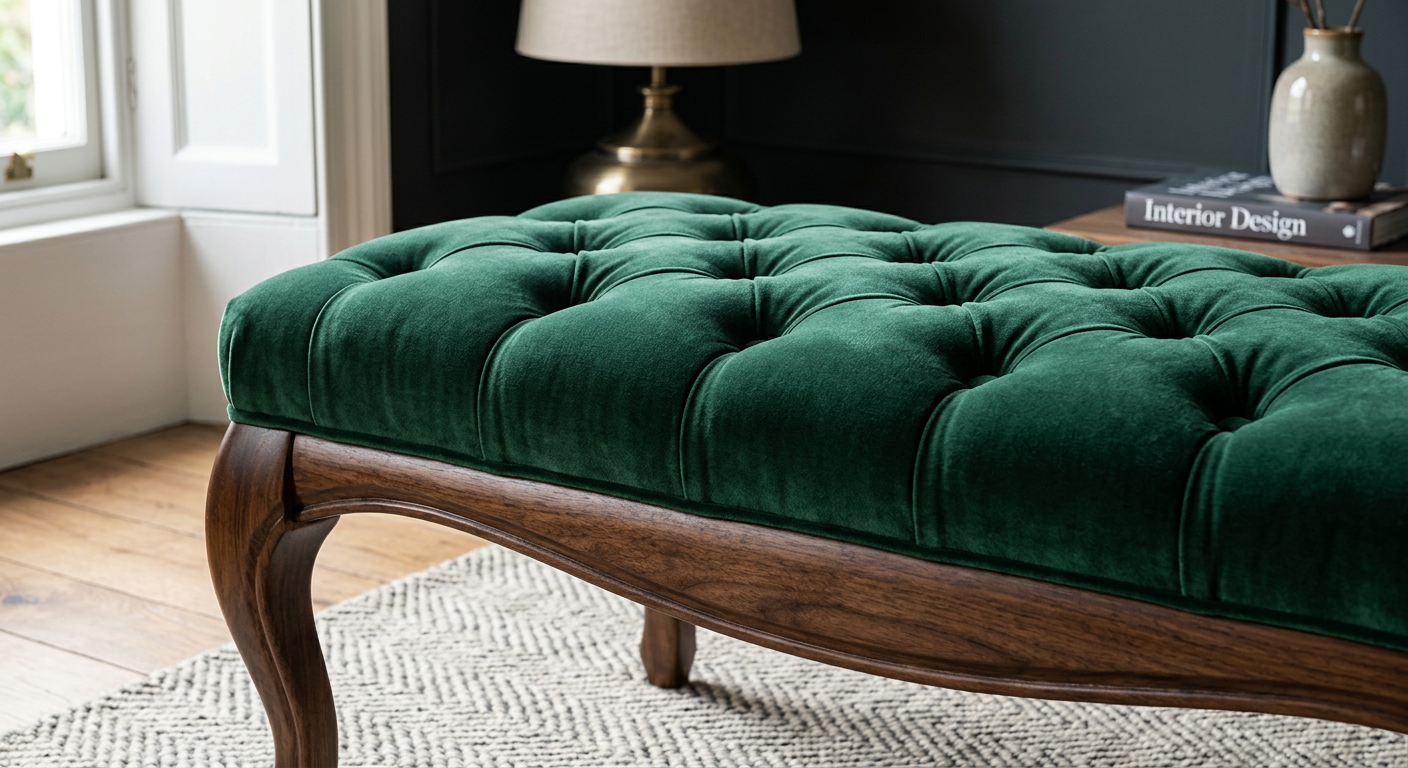
A dedicated wooden tool cabinet turns a messy bench corner into an efficient sharpening station. Quality timber furniture combines daily utility with timeless British woodworking craft—much like a handcrafted chestnut diamond bench or a textured black tweed diamond bench brings elegance and utility to your home decor. It guards fine edge tools against humid air, stopping rust before it starts. A well-organized workspace lets you hone edges quickly and get right back to cutting joinery.
With your storage organized, you can easily implement a regular tool care routine that yields superior woodworking results.
Conclusion: Elevate Your Woodworking Tool Maintenance
Picking the ideal diamond bench uk stone comes down to grit options, plate design, and physical size. For most UK hand tool woodworkers, an eight-inch double-sided stone with coarse and fine grits handles almost every task. Monocrystalline diamond surfaces provide incredible durability, keeping your plane irons and chisels ready for work. A flat steel plate ensures your cutting edges retain their true geometry year after year.
Ready to improve your tool performance and get cleaner cuts on your projects? Taking proper care of your hand tools protects your investment in quality woodworking kit. To build a complete sharpening station and refine your edge techniques, check out our full sharpening guide for UK woodworkers.
Frequently Asked Questions
What is the difference between a diamond sharpening stone and a jeweler's diamond bench?
Searching for a diamond bench UK supplier can refer to either a heavy steel diamond sharpening stone for woodworking or a solid timber workstation for jewelers. Woodworkers use diamond plates to hone tools, while jewelers use wooden desks with cutouts and catch trays to set gemstones.
Which grit rating do I need for my diamond sharpening plate?
A coarse plate around 220 to 300 mesh removes nicks and resets damaged bevels quickly. A medium 600 mesh plate establishes a clean edge during routine maintenance. An extra-fine 1200 mesh plate refines micro-bevels to a highly polished finish for precise cutting.
How should I clean and maintain a diamond sharpening stone?
Use dedicated lapping fluid or light mineral spirit rather than plain tap water to prevent steel filings from rusting on the plate. Clean built-up swarf with a stiff nylon brush and soapy water, or lift dry filings out using a rubber cleaning block or standard pencil eraser.
Why are monocrystalline diamonds preferred over polycrystalline diamonds?
Monocrystalline diamonds are single, unbroken crystals that withstand heavy grinding pressure without breaking down. Unlike polycrystalline diamonds that shatter into dull dust, monocrystalline surfaces stay flat permanently on a steel plate and will never dish out or require flattening.
About This Article
Editorial Disclosure: This article was researched and written by our content team to provide helpful, accurate information about diamond bench uk. We regularly review and update our content to reflect the latest industry developments and best practices.
